.svg)


.svg)
- Most internal events optimize for attendance, not engagement; flip that
- Tie every event to a specific outcome: retention, collaboration, learning, or culture
- Hybrid-friendly formats aren't optional; they're the default
- Measure what matters: participation quality, not headcount
- The best event portfolios mix high-effort and low-effort formats throughout the year
Internal company events ideas are everywhere. Search the term and you'll find listicles with 50, 75, even 100 suggestions. The problem isn't a shortage of ideas. It's that most of them treat "fun" as the goal instead of a byproduct. Global engagement hit just 21% in recent Gallup data, costing the world economy trillions in lost productivity. Events won't fix that alone, but the right ones, designed with intention, can move the needle in ways that another pizza party never will.
Here's what works.
Why most internal events fall flat
The typical corporate event playbook goes like this: someone in HR picks a date, books a venue, sends a calendar invite, and hopes people show up. Attendance becomes the success metric. If 80% of the team came, it was a win. But attendance isn't engagement.
The disconnect usually comes down to design. Events get planned around logistics (what's easy to organize) rather than outcomes (what problem are we solving). A team that's struggling with cross-functional collaboration doesn't need a holiday party. They need a working session with a social layer built in.
There's also the hybrid gap. If your employee experience strategy doesn't account for remote participants, you're running events for half your workforce. That's not inclusive; it's exclusionary with extra steps.
The fix isn't complicated: start with the outcome you want, then pick the format that delivers it.
Team building and collaboration events
These are the workhorses of any internal events calendar. Done well, they build trust and break down silos. Done poorly, they're the reason people dread the words "team building."
1. Cross-functional problem sprints. Pick a real business challenge, assemble mixed teams, give them 90 minutes. The constraint forces collaboration. The output is often genuinely useful. This isn't a hypothetical exercise; it's work disguised as an event.
2. Escape rooms (with a twist). Classic for a reason, but skip the generic ones. Find providers who customize puzzles around your industry or company values. The shared pressure creates bonding that a happy hour can't replicate.
3. Outdoor team challenges. Hiking, obstacle courses, scavenger hunts. Physical activity changes the dynamic. People who've only interacted over Slack suddenly have to communicate in real time, under mild stress, with no mute button.
4. Hackathons. Not just for engineers. Marketing hackathons, ops hackathons, customer experience hackathons. Give teams 24 hours to prototype something. The best ideas often come from people who don't normally get to build things.
79% of employees say team strengthens workplace relationships. That's not surprising. What's surprising is how few companies design these events to carry momentum back into daily work. For more formats that translate to real collaboration, our team building activities guide covers 30+ options by team type.
Culture and recognition events
Recognition is one of the highest-use tools in your engagement toolkit. It costs almost nothing and compounds over time. Yet most companies save it for annual reviews.
5. Monthly milestone celebrations. Work anniversaries, project completions, promotions. Keep it short (15 minutes), keep it specific (name what the person actually did), and keep it consistent. Regularity matters more than spectacle.
6. Peer-nominated awards. Let teams nominate each other for categories that reflect your values. "Best collaborator" means more coming from a colleague than from leadership. Run it quarterly so it doesn't become stale.
7. Welcome rituals for new hires. First impressions set the tone. A structured welcome event, even a 30-minute virtual coffee with the team, signals that the person matters. This is onboarding done right, not just paperwork and laptop setup.
8. Culture showcases. Invite employees to share something about their background, heritage, or passion. Cooking demos, music, storytelling. These events build empathy across teams that might otherwise never interact beyond project channels.
The through-line here: recognition works when it's specific, timely, and peer-driven. Generic "employee of the month" programs feel performative. Events that let people see and be seen feel real.

A strong event calendar is one piece of the puzzle. Here's how to design the full employee experience, from onboarding to offboarding.
Read the guide
Learning and development events
People stay where they grow. That's not a platitude; it's a pattern. Development opportunities consistently rank among the top drivers of engagement and retention.
9. Lunch & Learns. Low-cost, high-impact. Invite an internal expert or external speaker to present on a topic for 30 to 45 minutes over lunch. The informal setting lowers the barrier to participation. Rotate topics across departments so people learn what other teams actually do.
10. Skill-share sessions. Peer-to-peer teaching. Your design team teaches basic Figma. Your data team walks through how to read a dashboard. Your finance team explains how budgets actually get approved. This demystifies the organization and builds cross-functional literacy.
11. Reverse mentoring circles. Pair junior employees with senior leaders, but flip the dynamic. Junior employees teach leaders about emerging tools, cultural shifts, or customer perspectives they're closer to. Both sides learn something. Neither side feels patronized.
12. Book clubs with teeth. Pick a book relevant to a current business challenge. But don't just discuss it; assign teams to implement one idea from it and report back in 30 days. The accountability layer turns passive reading into active experimentation.
A 14% productivity increase has been linked to team-building activities that drive enthusiasm, and learning events are among the most effective at generating that enthusiasm because they signal investment in people, not just output.
Wellness and mental health events
Burnout doesn't announce itself. It accumulates. Wellness events aren't a cure, but they normalize the conversation and give people permission to pause.
13. Guided mindfulness or meditation sessions. Weekly, 15 minutes, optional. The key word is optional. Mandatory wellness is an oxymoron. Offer it consistently and let participation grow organically. For companies building out broader programs, wellness room design can make these sessions feel intentional rather than improvised.
14. Movement breaks during all-hands. If your company-wide meeting runs longer than 45 minutes, build in a five-minute stretch or walk break. It sounds trivial. It's not. Energy levels visibly shift.
15. Mental health days as events. Designate one day per quarter as a company-wide mental health day. No meetings, no Slack, no expectations. The collective nature of it removes the guilt that individual PTO sometimes carries.
The ROI on wellness isn't always immediate, but the cost of ignoring it is. Wellness programs deliver measurable returns when they're sustained, not sporadic.
Social and casual events
Not every event needs a strategic framework. Sometimes people just need to hang out. The trick is making these events accessible to everyone, not just the extroverts who thrive in loud rooms.
16. Themed virtual happy hours. Give it structure. A trivia round, a cocktail-making demo, a "show us your workspace" tour. Unstructured video calls where 40 people stare at each other aren't social; they're awkward.
17. Interest-based clubs. Running clubs, cooking groups, gaming leagues, photography walks. Let employees self-organize around shared interests and give them a small budget. The best social connections form around genuine shared enthusiasm, not forced fun.
18. "No-agenda" coworking days. Book a space, invite the team, and don't plan anything. No presentations, no workshops. Just proximity. Some of the most valuable conversations happen in the margins, over coffee, walking to lunch, waiting for the elevator. If your team is distributed, planning a company offsite with built-in unstructured time can recreate this dynamic.
Employees with strong workplace friendships are seven times more likely to be engaged. Social events create the conditions for those friendships to form. They don't guarantee them, but they make them possible.
Hybrid and virtual event ideas that actually work
If you're still designing events for in-person first and bolting on a Zoom link as an afterthought, your remote employees have already checked out.
19. Parallel-format events. Run the same event simultaneously in-person and virtually, but design each version for its medium. In-person gets breakout discussions. Virtual gets chat-based interaction, polls, and smaller video rooms. Don't try to merge them into one awkward hybrid stream.
20. Asynchronous challenges. Not everything needs to happen in real time. A week-long photo challenge, a recipe exchange, a fitness competition tracked via an app. These work across time zones and let people participate on their own schedule.
Virtual events cost 75% less than in-person equivalents on average, and some data suggests they deliver higher ROI when designed well. The savings alone make them worth taking seriously, but the real advantage is reach. Every employee can participate, regardless of location.
For teams navigating the logistics of getting distributed people together, remote team building activities offers 25+ ideas specifically designed for teams that don't share a zip code.
Gable Events handles the logistics of internal events so you can focus on designing experiences that matter. From invitations to attendance tracking to post-event insights, it's one platform for the full event lifecycle.
Learn more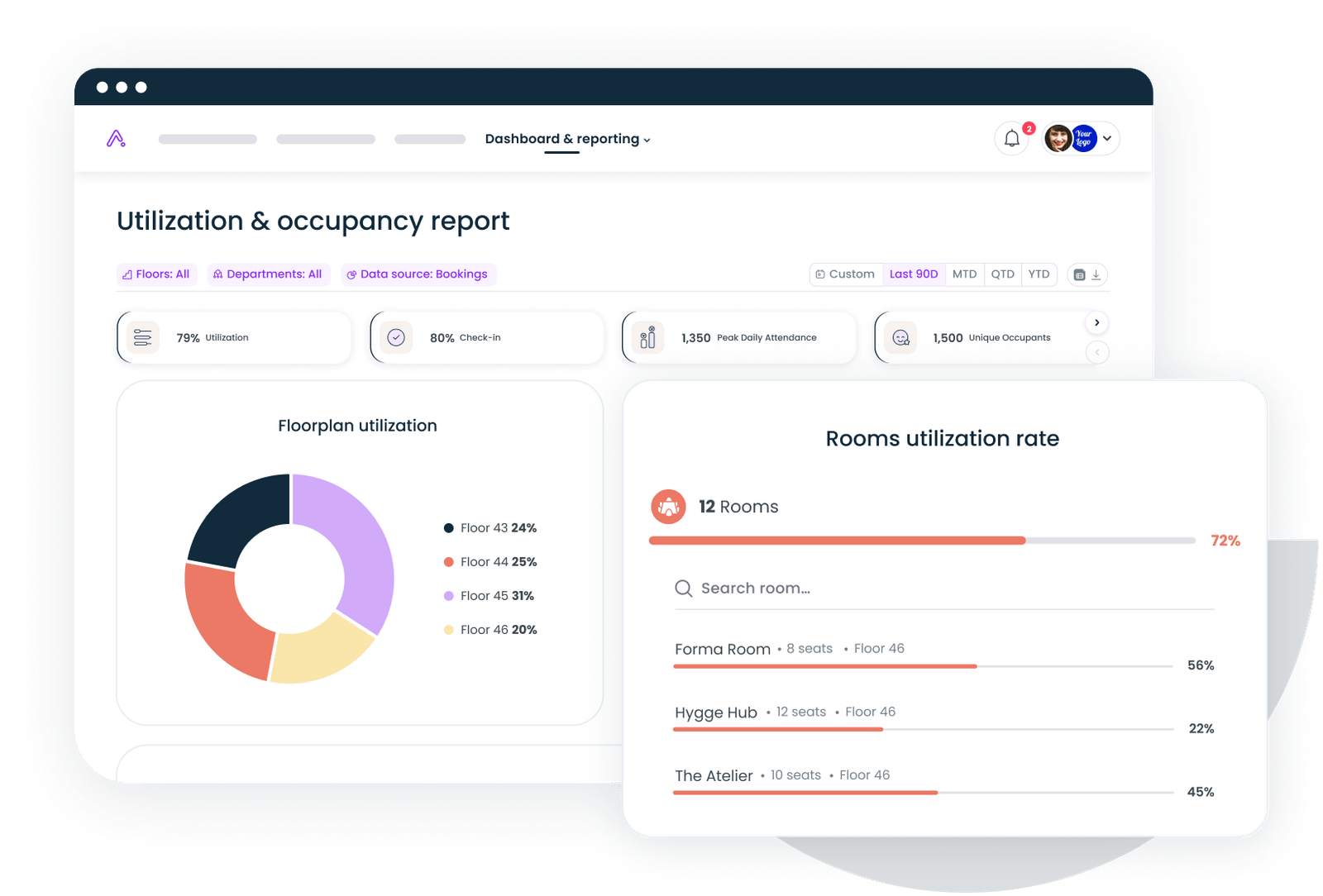
Cause-driven and CSR events
Purpose matters. Employees who feel connected to something larger than their job description tend to stick around longer and contribute more.
Volunteer days. Partner with a local nonprofit and give teams a half-day to contribute. Build it into the workday, not as an after-hours add-on. The shared experience of doing something meaningful together creates a different kind of bond than any offsite.
Fundraising competitions. Teams compete to raise money for a cause they choose. It combines collaboration, creativity, and purpose. Keep the stakes light and the cause real.
Sustainability challenges. Tie them to your company's ESG commitments if you have them. Reduce waste, track energy use, propose green initiatives. These events work best when leadership participates visibly, not just sponsors from a distance.
CSR events do double duty: they strengthen internal culture and external employer brand simultaneously. That's rare.
How to measure whether your events actually work
This is where most event programs fall apart. You run the event, people seem to enjoy it, and then... nothing. No follow-up, no measurement, no iteration.
Here's a simple framework:
Before the event: Define one measurable outcome. Is it cross-team relationship building? Skill acquisition? Morale boost after a tough quarter? Write it down.
During the event: Track participation quality, not just headcount. Are people engaging in discussions? Asking questions? Staying for the full session? Drop-off rates tell you more than RSVP rates.
After the event: Send a two-question survey within 24 hours. "Would you attend again?" and "What would you change?" That's it. Long surveys get ignored.
Over time: Look at trends. Are the same people attending everything, or are you reaching new participants? Are engagement scores shifting in teams that participate most? Tracking workplace ROI metrics across your event portfolio reveals patterns that individual event feedback can't.
Gable Events builds this measurement loop into the planning process, connecting attendance data, communication, and post-event insights so you're not stitching together spreadsheets after every gathering.
Building an event portfolio, not a one-off calendar
The biggest mistake I see is treating events as isolated moments. A quarterly offsite here, a holiday party there, maybe a volunteer day if someone remembers to organize it.
The companies that get the most from internal events think in portfolios. They balance high-effort events (retreats, hackathons) with low-effort ones (lunch & learns, virtual happy hours). They spread them across the year so there's always something on the horizon. They vary formats so introverts and extroverts both find something that works.
A good annual portfolio might look like this:
- Monthly: Lunch & Learn or skill-share (low effort, high frequency)
- Quarterly: Team challenge, volunteer day, or themed social event (medium effort)
- Biannually: Offsite, hackathon, or cross-functional sprint (high effort)
- Annually: Company-wide celebration or awards ceremony (high effort, high visibility)
This cadence keeps engagement sustained rather than spiking once a year at the holiday party and flatting the rest of the time. For the big-ticket events, corporate retreat planning walks through the logistics step by step.
The real test for any internal event
Here's the question I'd ask before greenlighting any event: if attendance were completely optional and anonymous, would people still show up?
If the answer is no, the event isn't serving your people. It's serving your programming calendar. The best internal company events ideas don't need mandates or guilt trips. They earn attendance because they deliver something employees actually want: connection, growth, recognition, or purpose.
The companies getting this right aren't spending more money. They're spending it more intentionally. They're measuring outcomes, not just outputs. And they're treating events as a strategic lever for engagement, not a line item in the culture budget.
That's the shift. From planning events to designing experiences. From counting heads to changing how people feel about showing up.
From ideation to measurement, Gable gives you the tools to design, communicate, and track internal events across every location and format.
Get a demo