.svg)


.svg)
Your team's engagement is slipping. Productivity feels stagnant. And your best people? They're starting to look elsewhere.
You're not alone. According to Gallup's State of the Global Workplace report, only 23% of employees worldwide feel engaged at work. That's a problem, but it's also an opportunity. The right employee incentive ideas can transform how your people show up, how long they stay, and how much they contribute to your company's success.
This guide covers the employee incentive programs that actually move the needle in 2026, backed by data and designed for workplace leaders who want meaningful rewards that align incentives with business goals.
What are employee incentives and why do they matter?
Employee incentives are rewards or benefits employers provide to motivate and boost employees' morale in the workplace. They range from monetary incentives such as performance and referral bonuses to non-monetary incentives such as flexible scheduling and professional development opportunities.
But here's what matters: incentive programs drive measurable performance gains. Research shows that participants in wellness programs are approximately 10% more productive than other employees. And companies with structured recognition programs see 31% lower voluntary turnover than organizations without them.
When employees feel valued, something shifts. They invest additional energy and commitment in their work, leading to increased productivity, higher customer satisfaction scores, and stronger team performance. Effective employee incentive programs create a positive work environment that encourages employees to excel and fosters loyalty, an increasingly hard-to-find quality.
The challenge isn't whether to incentivize employees. It's choosing the right incentive program that aligns with both your business objectives and what your people actually want.
Monetary incentives that drive results
Financial incentives remain powerful motivators when implemented thoughtfully. They provide tangible rewards that directly impact employees' lives and create clear connections between performance and compensation.
Performance bonuses
Performance bonuses are cash rewards based on individual or team achievements. They work because they create a direct line between effort and reward. When employees understand exactly what earns a bonus, they can focus their energy accordingly.
The key is making the criteria clear and achievable. Vague targets like "exceed expectations" frustrate people. Specific goals like "increase customer satisfaction scores by 5%" or "complete Q1 project deliverables two weeks ahead of schedule" give employees something concrete to pursue.
Spot bonuses provide timely monetary rewards for immediate achievements, reinforcing positive behavior. Unlike annual performance bonuses, spot bonuses recognize excellence in real-time. When someone goes above and beyond on a Tuesday, acknowledging it that week means more than waiting until December.
Profit-sharing programs
Profit sharing involves distributing a portion of company profits to employees, aligning their interests with the company's financial success. When your team shares in profits, they think like owners. Decisions that seemed abstract suddenly matter because everyone benefits from the company's success.
Companies that implement profit-sharing programs often see improved employee motivation and productivity because employees understand how their daily work connects to financial outcomes. It transforms "this is my job" into "this is our company."
Referral bonuses
Referral programs reward employees for recommending qualified candidates who are hired by the company. These programs work on multiple levels: they tap into your team's networks, bring in candidates who already have a cultural connection, and make existing employees invested in the new hire's success.
Referral programs can significantly improve employee retention, as referred candidates tend to stay with the company longer. Someone vouching for a candidate also vouches for the workplace, creating accountability that extends beyond the hiring process.

Discover how leading companies are using flexible workspace access as a powerful employee incentive that supports work-life balance.
Read more
Non-monetary incentives that employees actually value
Money matters, but it's not everything. Research consistently shows that employees who feel recognized and supported often value non-monetary incentives as much as, or more than, financial rewards. These approaches tap into deeper motivations around growth, autonomy, and belonging.
Flexible work arrangements
Flexible schedules refer to remote work options or adjusted hours to improve work-life balance. In 2026, flexibility isn't a perk. It's an expectation. 81% of employees say remote work is the most critical job factor, surpassing even salary at 77%.
Flexible work arrangements demonstrate trust in employees. When you give people control over where and when they work, you're saying "I trust you to get results" rather than "I need to see you at your desk to believe you're working."
For distributed workforces, flexible work requires infrastructure. Giving employees access to professional workspace wherever they're located transforms flexibility from a policy on paper into a lived experience. Through platforms like Gable, companies can provide workspace access across hundreds of cities, ensuring remote employees have the same professional environment options as headquarters staff.
Professional development opportunities
Career development opportunities signal investment in employees' futures. Personal learning stipends are annual budgets for courses, certifications, or books that employees manage independently. When you give someone $1,500 to spend on their own growth, you're communicating that their development matters beyond what directly benefits their current role.
Tuition reimbursement programs provide financial assistance for employees pursuing further education or degrees. These programs enhance employee retention by investing in employees' education and career development. Someone earning an MBA while working for you has a powerful reason to stay.
Professional development also addresses a fundamental human need for growth. Stagnation kills engagement. Employees who see a path forward stay engaged. Those who feel stuck start looking elsewhere.
Recognition programs
Recognition directly impacts workplace happiness, and studies show that 82% of employees consider recognition an important factor influencing their happiness. Recognition programs publicly acknowledge and celebrate employee achievements, fostering a positive work culture.
Effective employee recognition takes multiple forms:
Public shoutouts acknowledge achievements in team meetings or newsletters. The public nature matters. Being recognized in front of peers validates contribution in ways private praise can't match.
Peer-to-peer recognition involves digital platforms for colleagues to give points or shout-outs for great work. This democratizes appreciation. Instead of recognition flowing only from managers, it can come from anyone who notices great work. Peer-to-peer recognition allows colleagues to award points or coins for daily helpfulness, creating a culture where appreciation is constant rather than occasional.
Programs like Zappos' Zollars program allow employees to recognize coworkers for exceptional service and redeem rewards. Southwest Airlines' SWAG program lets employees earn points for recognition, redeemable for travel benefits and merchandise. These programs succeed because they make recognition tangible and ongoing.
Wellness and wellbeing incentives
Wellness programs are offered by nearly 85% of large US employers to drive engagement and support employee health. But effective employee incentives in 2026 are shifting toward personalized, "whole-person" rewards that prioritize flexibility, well-being, and continuous development.
Health and wellness programs
Health insurance remains foundational, but modern wellness initiatives go further. Holistic wellness ecosystems include subsidies for gym memberships, meditation apps, and on-site health screenings. These programs recognize that healthy employees are engaged employees.
Gym memberships and fitness subsidies remove barriers to physical activity. When the cost and convenience obstacles disappear, more people exercise. And exercise improves focus, energy, and resilience.
Wellness challenges are fitness or nutrition challenges with team rewards, promoting healthy habits. They add social motivation to health goals. Competing alongside colleagues creates accountability and camaraderie that solo goals lack.
Time-based incentives
Extra paid time off (PTO) includes an extra day or half-day off. It's simple and universally valued. Everyone wants more time for their lives outside work.
Sabbatical programs offer extended paid leave for long-tenured employees to recharge or pursue personal projects. Sabbatical programs can last from 1 to 6 months for long-tenured employees to recharge and prevent burnout. These programs reward loyalty with meaningful time away, allowing people to return refreshed rather than depleted.
The investment pays off. Employees who take sabbaticals often return with new perspectives, renewed energy, and a deeper commitment to organizations that provided the opportunity.
How to build an effective employee incentive program
Having great incentive ideas isn't enough. You need a system that delivers the right incentive program consistently and fairly. Here's how to build employee incentive programs that actually work.
Align incentives with business objectives
Effective incentive programs connect individual rewards to company goals. If customer satisfaction is a priority, incentivize behaviors that improve it. If innovation matters, reward people who bring new ideas.
This alignment serves everyone. Employees understand how their efforts contribute to the company's success. Leaders see clear connections between incentive spending and business outcomes. The whole system gains coherence.
Regularly review whether your incentives still align with current business goals. Priorities shift. Your incentive programs should shift with them.
Understand employee preferences
Not everyone wants the same things. Some people value financial incentives above all else. Others prioritize flexibility or recognition. Effective employee incentive programs acknowledge diverse employee preferences rather than assuming a one-size-fits-all approach.
Regularly surveying employees helps tailor incentive programs to their preferences. Ask what motivates them. Ask what recognition feels meaningful. Ask what benefits they'd value most. Then listen.
Consider segmenting incentives by role, tenure, or expressed preference. A recent college graduate might value tuition reimbursement. A working parent might prioritize flexible scheduling. A senior leader might value a sabbatical program. Meeting people where they are demonstrates genuine care for employee interests.
Set clear and achievable goals
Vague goals produce vague results. Successful programs define exactly what employees need to do to earn incentives. Clear goals help people focus their effort and track progress.
Goals should be challenging but attainable. Impossible targets demoralize. Easy targets bore. The sweet spot is stretch goals that require real effort while remaining achievable with dedication.
Communicate goals transparently. Everyone should understand what's required, how achievement will be measured, and what they'll earn. Ambiguity breeds cynicism.
Encourage participation through accessibility
The best incentive programs fail if employees don't engage. Incentive programs should be simple and easily accessible to maximize participation. Complex enrollment processes, confusing eligibility rules, or cumbersome redemption procedures all reduce participation.
Make earning incentives straightforward. Make redeeming rewards easy. Remove every unnecessary friction point between effort and reward.
Promote available incentives regularly. People forget what's available or assume programs don't apply to them. Consistent communication about eligible employees and how to participate keeps programs top of mind.
Measure and iterate
Track what's working. Employee satisfaction surveys reveal whether people value your incentives. Participation rates show whether programs engage your workforce. Retention data indicates whether incentives affect employee loyalty.
Use workplace analytics to understand patterns. Which incentives drive the highest engagement? Which go unused? Data-driven approaches help optimize spending and maximize impact.
Future programs should build on lessons learned. What worked in 2025 might not work in 2027. Commit to continuous improvement based on actual results rather than assumptions.
Gable's office management platform helps you create a workplace experience that employees actually want, with booking, analytics, and seamless coordination.
Learn more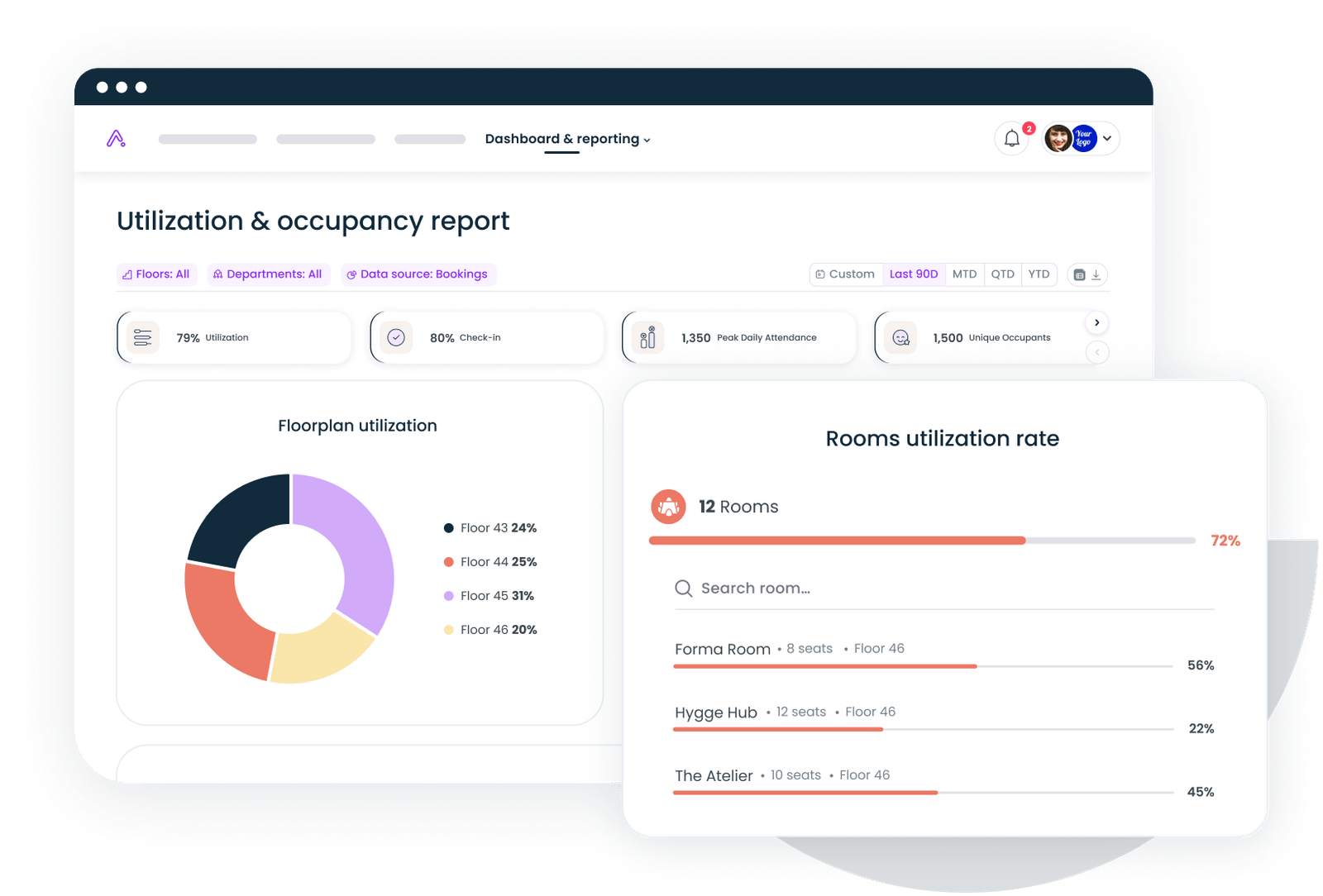
Creative employee incentive program ideas
Sometimes the most effective incentives are the ones competitors haven't thought of yet. These approaches can differentiate your organization and inspire employees in unexpected ways.
Experience-based rewards
Experiences create memories that tangible rewards can't match. Concert tickets, cooking classes, adventure activities, or spa days give employees something to look forward to and stories to tell.
Consider letting employees choose their own experiences within a budget. Different people value different things. Letting them select ensures relevance while maintaining fairness.
Team experiences build relationships alongside rewarding achievement. An escape room adventure or cooking class for top performers creates bonds that individual rewards can't.
Personalized incentive portfolios
Give employees agency over their incentives. Allocate a point or dollar value, then let them choose how to spend it across categories like professional development, wellness, experiences, or cash.
This approach acknowledges that meaningful rewards vary by person and life stage. It signals respect for employees' judgment about what they need. And it eliminates the awkward scenario of receiving something you don't want.
Workspace flexibility as an incentive
For hybrid and distributed teams, workspace flexibility has become a powerful incentive. Giving employees access to professional workspaces near their homes removes the commute barrier while providing environment options that home offices can't match.
Gable's on-demand workspace platform enables companies to offer this flexibility at scale. Employees across hundreds of cities can book professional workspace when they need it, whether for focused work, team collaboration, or simply a change of scenery. It's an incentive that supports work-life balance while demonstrating trust.
Family and lifestyle support
Child care subsidies or partnerships address one of working parents' biggest stressors. Pet-friendly policies acknowledge that pets are family. Elder care support recognizes the challenges of the sandwich generation.
These incentives signal that you see employees as whole people with lives beyond work. That recognition builds employee loyalty that transactional benefits can't match.
How to celebrate employee achievements effectively
Recognition that lands requires intentionality. Random appreciation feels hollow. Structured approaches ensure recognition is consistent, fair, and meaningful.
Create consistent recognition rhythms
Monthly or quarterly recognition moments create predictable opportunities to celebrate employee achievements. Team meetings, company newsletters, and dedicated Slack channels can all serve as venues for public recognition.
Consistency matters more than grandness. Regular, modest recognition builds culture more effectively than occasional lavish awards. People should expect that good work will be noticed.
Connect recognition to company values
When you celebrate employee achievements, explain why they matter. "Sarah exceeded her sales target" is nice. "Sarah exceeded her sales target by building relationships that reflect our company values around customer partnership" means more.
This connection reinforces what matters. It shows employees how to earn recognition themselves. And it ensures recognition strengthens rather than contradicts your stated culture.
Empower senior leaders to recognize
Recognition from senior leaders carries extra weight. When executives personally acknowledge achievements, it signals that individual contributions reach the highest levels of the organization.
Make it easy for leaders to recognize. Provide them with updates on team achievements. Create simple mechanisms for them to send personal notes or public praise. Their time is limited, so reduce friction.
Balance individual and team achievements
Individual recognition rewards personal excellence. Team recognition builds collective identity and encourages collaboration. Both matter.
Ensure your recognition programs acknowledge both. Celebrate the salesperson who closed the big deal and the team that had an exceptional delivery. This balance prevents unhealthy competition while still honoring individual contribution.
The bottom line on employee incentives
Investing in employees' growth through incentives fosters employee loyalty and reduces turnover. When people feel valued and recognized, they bring discretionary effort that drives business results.
The most effective employee incentive programs combine multiple approaches. A mix of monetary and non-monetary incentives can effectively motivate employees across different preferences and life stages. Financial rewards provide tangible value. Recognition satisfies emotional needs. Professional development signals investment in the future. Wellness programs support whole-person wellbeing. Flexibility demonstrates trust.
Start with clear alignment to your business objectives. Understand what your employees actually value. Build systems that deliver rewards consistently and fairly. Then measure results and iterate based on what you learn.
The organizations that get this right don't just boost employee morale. They build cultures where great people want to stay and do their best work. That's the real return on investment.
Discover how Gable helps companies create flexible, engaging work environments that support both business goals and employee satisfaction.
Get a demo